Why do people call Clarke the bright lights out in the field?
Because that is exactly what it looked like.
Before 2000, an original Miltonian lived inside the four corners of the old town, and that was the extent of it. Then, off to the side near Derry Road and Trudeau, a development appeared with nothing around it. Farmland in every direction and one cluster of lights in the middle. Residents of the old town could see it from a distance, and for a few years that is how it was described.
It is a useful image to hold onto, because it explains why Clarke feels different from the newer communities south of it. Clarke was not built into a plan for an expanded town. It was the experiment that proved the expansion would work.
Where exactly is the Clarke neighbourhood?
This trips people up regularly, so it is worth stating plainly. Clarke sits entirely north of Derry Road. Nothing south of Derry is Clarke, whatever a listing might imply.
From there it runs north to Main Street East, west to Thompson Road, and east to James Snow Parkway. That northern extent is wider than most people assume, and it means the FirstOntario Arts Centre Milton and the Milton Leisure Centre both sit inside the neighbourhood, along with Art on Main among the condo addresses.
What did buying early in Clarke actually do for people?
It changed their finances, and it changed the neighbourhood.
Homes here sold new for well under $200,000.
Detached homes with double car garages in Clarke now trade at many multiples of that. Anyone who bought at the beginning and held did very well, and a great many of them used that equity to upgrade their housing somewhere else in town.
Which produces the thing that most surprises buyers about Clarke: it is genuinely rare to find an original owner here. Compare that with Old Milton, where houses are upwards of fifty years old and first owners are still common. In Clarke, most of the stock has turned over at least once, and often more.
So who is buying now? Largely first-time buyers, and people moving up out of a condo or a townhouse. The neighbourhood that produced a generation of move-up buyers has quietly become an entry point again.
What kind of homes are in Clarke?
More varied than Beaty next door, and for a specific reason: Clarke did not have one builder.
Mattamy built the far east side of the neighbourhood. The west side toward Thompson Road was filled in by a mix of other builders. Where Beaty reads as one continuous design language, Clarke does not, and buyers who shop both notice it within an afternoon.
On product, expect a lot of
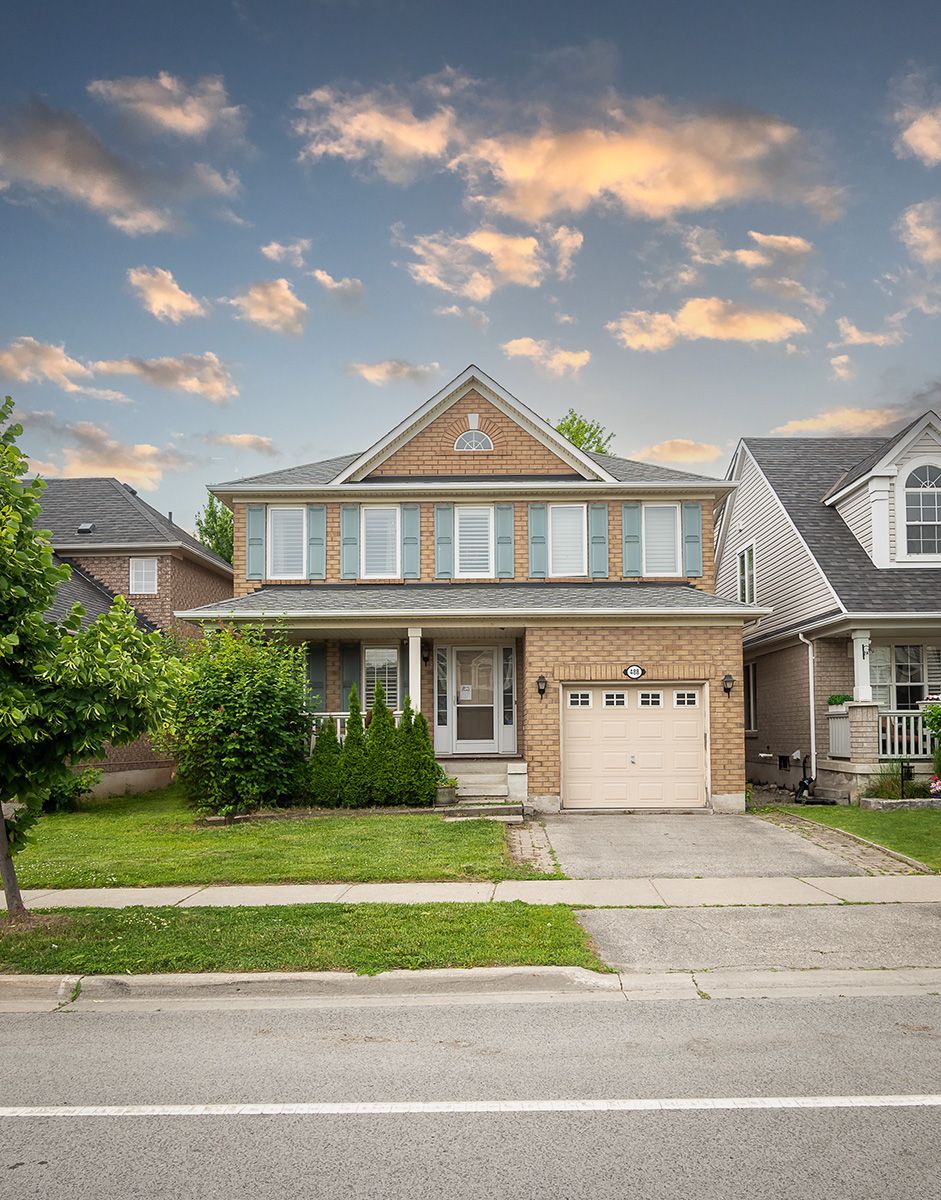
townhouses and a lot of smaller single car garage detached homes. Double car garage homes exist, mostly in a small pocket around Thompson Road, but they are not the norm and they are not plentiful. There are condo apartments in the mix as well.
What condition are Clarke homes in, and what does that cost?
This is the most important section on this page if you are buying or
selling here in the next two years.
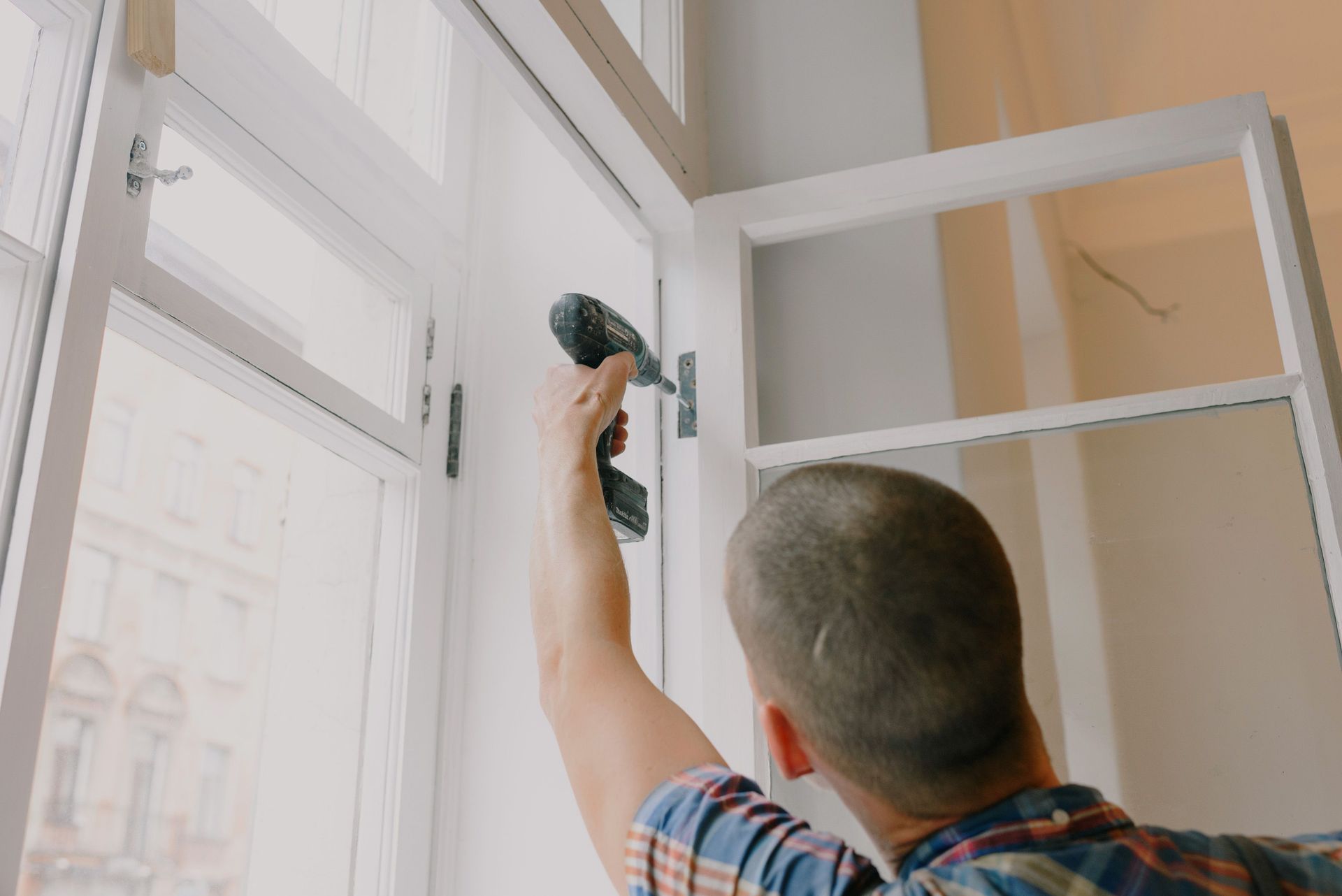
Clarke has crossed the line from nice-to-have into requirement. Furnaces, windows, and roofs in this neighbourhood are reaching the end of their service lives, and a growing number of homes need that work now rather than eventually. It is no longer a question of taste.
The consequence at resale is direct. If a Clarke home still has its original mechanicals and its original finishes, you will see that in the sale price, because today’s buyer is comparing it against something else. Milton has so many newer neighbourhoods that an unrenovated home from 2003 is not competing on features. The only lever left is value, which means the price has to come down to meet it.
That is not a pessimistic reading. It is a road map. A Clarke seller who addresses the mechanical items, and then puts real thought into
presentation, is selling into a market where finished homes are scarce. Our 2025 numbers make the case: Flowers Team listings sold 7 days faster and for $13,832 more than the Milton average, and in a neighbourhood like this one that gap is largely made before the sign goes up.
One more piece of the picture: investors. We see them scouting Clarke periodically, specifically looking for homes that need a full renovation. It is not a flood, but it is a real and recurring presence, and sellers should know that some of the interest in a tired listing is coming from people doing that arithmetic.
Can you walk everywhere in Clarke?
No, and this is the misconception we correct most often.
People assume that because Milton is a town, you can walk anywhere from anywhere. In Clarke that is not the case. Walking to groceries is not practical from much of the neighbourhood, and walking to school depends entirely on whether you happen to sit near the school in your pocket. It is not a fatal flaw, but it is a real difference from Beaty next door, where walkability was designed in from the first drawing.
What Clarke gives back is access. Highway 401 is roughly 5 to 8 minutes via James Snow Parkway north, the Milton GO Station is about a 5 to 7 minute drive, and the east-side position makes the run into Mississauga one of the quicker ones in town. Off peak, downtown Toronto is roughly 45 to 50 minutes by car and about an hour on the train.
Commute times are off-peak estimates and do not account for traffic.
That is the Clarke trade-off in one line: walkability down, access up. Buyers who need both should be looking somewhere else, and we will tell them so.
Where do Clarke residents actually shop?
Milton Common at Thompson Road and Main Street is the everyday anchor, with Real Canadian Superstore and Starbucks, plus a full run of daily-needs shops and services. From the neighbourhood’s north end it is a quick trip. There is essentially no commercial inside the residential pockets themselves, which is a deliberate feature of how the early phases were laid out.
On a Friday night, a good number of Clarke families walk to the Portobello’s plaza at the Beaty edge for pizza or a casual sit-down dinner. It has been in town for years and serves both neighbourhoods.
Which schools serve Clarke?
- Bruce Trail Public School (HDSB): public elementary in the Clarke area.
- Irma Coulson Public School (HDSB): among Milton’s top-rated public elementary schools, in neighbouring Beaty on the south side of Derry Road.
- Craig Kielburger Secondary School (HDSB): the public secondary school for the area.
- St. Kateri Tekakwitha Catholic Secondary School (HCDSB): just across Louis St. Laurent Avenue from the neighbourhood’s southwest corner.
- Guardian Angels Catholic Elementary (HCDSB): minutes east in neighbouring Beaty.
Schools inside the neighbourhood each anchor a large park, which is one of the better things about how Clarke was planned. Whether your particular street walks to one is the question to ask before you buy.
Schools are as per zoning to your home address. Confirm the assignment for any specific address with the Halton District School Board school finder or the Halton Catholic District School Board school finder.
What happened to movies in the park?
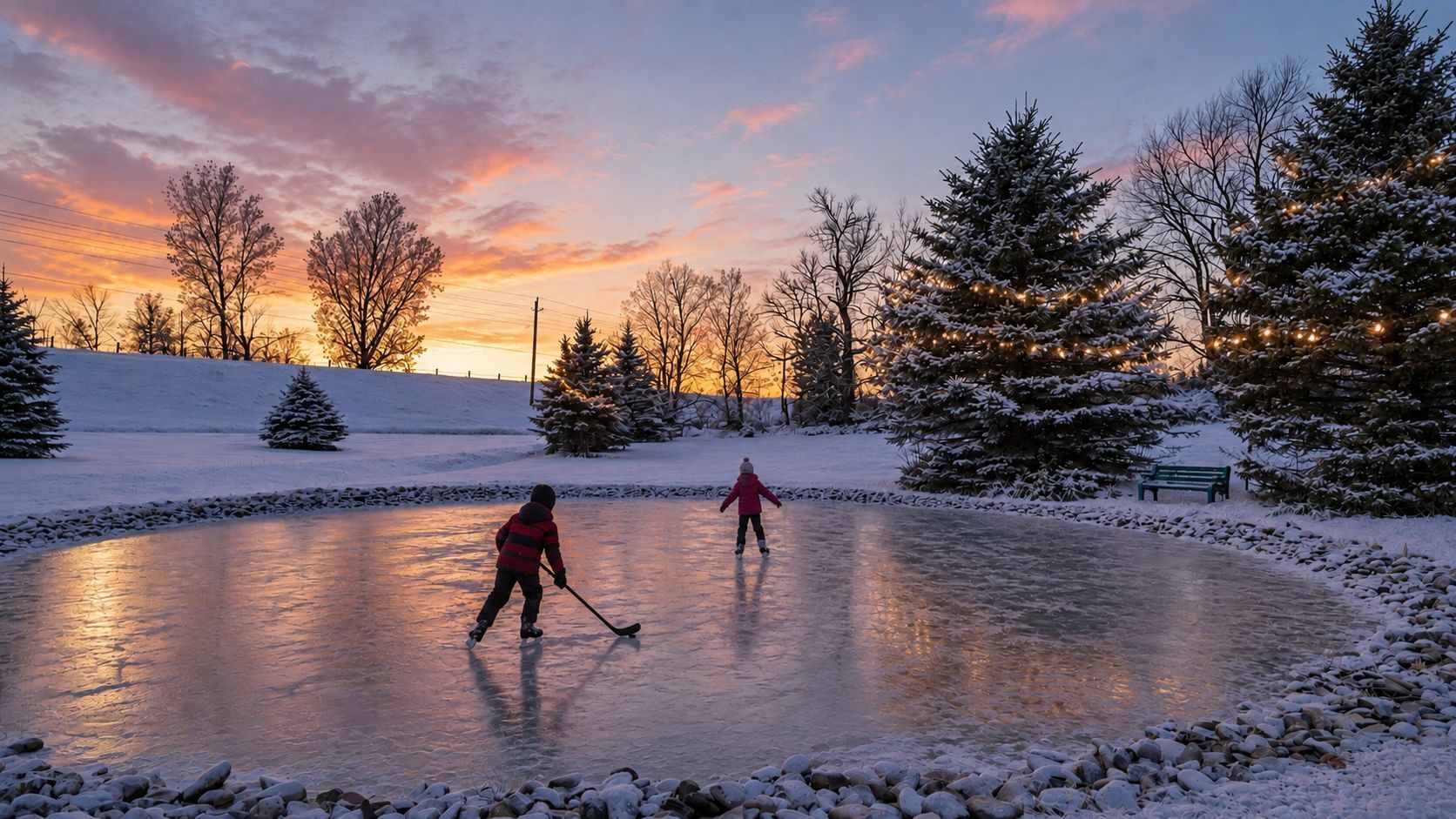
The Mattamy section on the east side used to run a proper community programme. Trudeau Drive has a large circular park at the centre of that whole pocket, and for years it hosted parties, movie nights, and organized activities that pulled the neighbourhood out of its houses.
You do not see that the way you used to, and long-time residents notice. But the underlying family feel did not go anywhere. The park is busy with kids at every hour of the day, and the difference is that the socializing is now informal rather than scheduled.
If community programming matters to you, it is worth asking what is currently running rather than assuming either way. This is exactly the kind of thing that swings back when a new group of families with young children moves in, and Clarke is at the point in its cycle where that is happening.
What is changing in Clarke?
Nothing structural. The community is developed and finished, with no phases left to release and no land inside it waiting for a builder. What you see is what it will be.
The change is in the housing itself and in who owns it. The first wave of owners has largely moved on. The second wave is inheriting a neighbourhood that needs some work and sits in one of the best commuter positions in Milton. How well those two things get reconciled over the next five years is the whole story of Clarke’s next chapter.
The couple who watched a town grow around them
Some of the original Clarke purchasers are still here, and one couple we know well is the clearest version of that story. They bought at the very beginning, when the development was the only thing out in the field, and they have been mortgage free for years as a result. They raised their children in that house. They watched Milton fill in around them for more than two decades, from farmland on three sides to a finished town.
They are moving now, and the reason has nothing to do with the neighbourhood. Their children are grown and living elsewhere, and they want to be closer to them. What they say about Clarke is not about the money, even though the money was significant. It is that this neighbourhood gave them a home, and they are grateful for it.